Get cracks in your brick or stone walls repaired once they stop moving
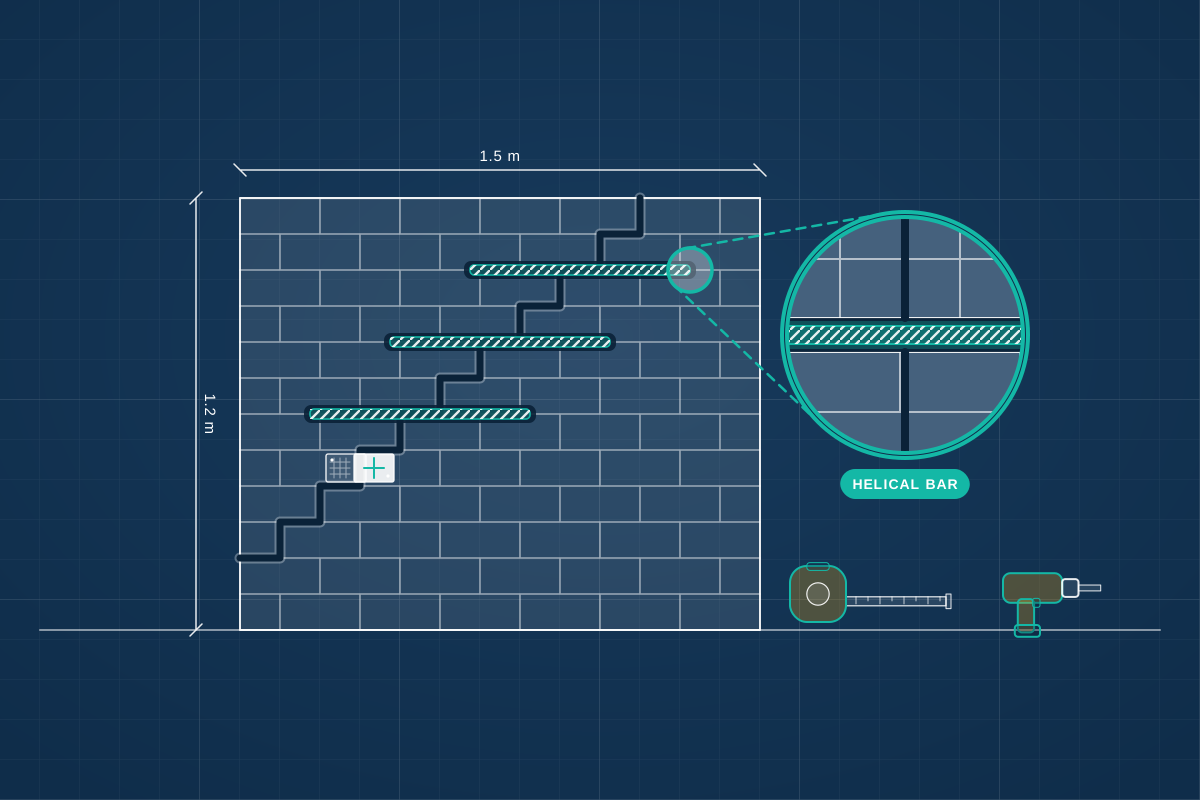
Cracks in brick or stone that have stopped moving can be tied back together. Compare quotes from structural engineers who choose between stitching, resin repair and repointing, and say how the work should be done.
A crack in brickwork or stone is a symptom, so a repair only lasts once the cause is understood and the wall has stopped moving. After that, the wall can be tied back together. Crack stitching sets stainless steel bars into slots cut along the mortar joints, bridging the crack so the masonry works as one again. Narrow cracks may need only resin injection or repointing, and wider ones may need bricks or stone replaced. A structural engineer chooses the method for your wall, specifies the bar lengths and spacing, and details the finish, so the repair holds and the wall still looks right.
How a professional can help
- Confirming the wall is ready for repair: They check the crack history, any monitoring results and the likely cause, so you aren’t stitching a wall that is still moving. If movement continues, they say what needs sorting out first.
- Choosing stitching, resin or rebuilding: Hairline cracks may only need filling or repointing, wider cracks through brick or stone are often stitched with bars, and badly damaged sections may be cut out and rebuilt. They match the method to the crack.
- Bar layout and fixing details: They set the bar length, how far each bar reaches past the crack, the spacing and the grout or resin that beds them in. A contractor then installs to a clear design instead of guesswork.
- Arches, lintels and openings: Cracks above windows and doors often point to a tired lintel (the beam over the opening) or arch. They check what carries the load there and design a repair, which may include a new lintel as well as stitching.
- Matching mortar, brick and stone: They specify mortar that suits the wall, so the repair is no harder than the masonry around it, and set out how to blend replacement bricks, stone and pointing with the original.
- Render and finishes afterwards: They advise on cracked render and plaster, flexible fillers where a joint should be allowed to move, and when to redecorate, so the cracks don’t quickly reappear.
Is this right for you?
- Your cracks have been monitored and have stopped moving, or the cause, such as a drain or tree, has now been dealt with.
- A structural survey or insurer has recommended crack repair and you need written instructions a contractor can follow.
- You can see stepped cracks following the mortar joints in brick, or cracks through stone, and want them tied back together.
- You are preparing to sell and want the repair designed, recorded and signed off.
How the project usually runs
- Map and record the cracks: The engineer notes each crack’s width, length, direction and position, and checks the monitoring history and likely cause to judge whether movement has stopped.
- Choose the repair method: They decide where stitching, resin injection, repointing or rebuilding is needed, wall by wall, and agree the approach with you.
- Marked-up drawings: Marked-up drawings of each wall show where the bars go, their lengths and spacing, the mortar mix and any lintel work, so contractors can price the same scope.
- Stitching on site: A contractor cuts the slots, bonds the bars and repoints. The engineer can check the first few bars and the slot depth before the rest of the work is done.
- Making good and review: Finishes are repaired once the work is complete. Some owners add crack gauges for a few months afterwards to confirm that the repair is holding.
What affects the cost
- How many cracks there are, how long they run and how many rows of brickwork each one crosses.
- Whether the wall is brick, stone or rendered, and how hard the original mortar and bricks are to work with.
- Scaffolding or access needed to reach high or awkward walls, including gable ends and chimney stacks.
- Whether lintels, arches or sections of wall need replacing as well as stitching.
- Whether the cracks need monitoring first, and for how long, before repair can start.
- The finishes to be repaired afterwards, such as render, plaster and decoration inside the house.
Approvals, listed buildings and shared walls
- Stitching a crack is normally repair, not a planning matter. A listed building needs listed building consent for repairs that affect its character or original material, and conservation areas may have extra controls.
- Whether Building Regulations apply depends on the work. Repair alone may not need approval, but replacing lintels or rebuilding sections of wall can, and your engineer or building control can confirm.
- The four UK nations have separate building control and heritage systems. Structural engineers cover the whole UK and work to the rules where your property is.
- In England and Wales, a crack in a wall you share with a neighbour is often a matter for both of you. Cutting slots into that wall may need notice under the Party Wall etc. Act 1996, and a party wall surveyor can confirm.
Questions people ask
What is crack stitching?
It is a repair where stainless steel bars are bedded in grout or resin in slots cut along the mortar joints, across a crack. The bars carry the tension that the brickwork can’t, so the two sides of the crack are tied together again. It restores strength to the wall but doesn’t stop the ground or building moving, so the cause must be dealt with first.
Will stitching stop the crack coming back?
Not by itself. If the movement that caused the crack has stopped, a stitched wall is much less likely to crack again in the same place. If the cause is still active, such as ongoing subsidence or a failing drain, the wall may crack elsewhere or reopen. Monitoring before repair gives a clearer picture.
Do I need an engineer, or can a contractor just do it?
Some specialist contractors offer stitching as a standard package. An engineer can advise whether the wall has stopped moving, whether stitching is the right method, and where and how it should be done. That matters if an insurer, lender or building control asks for evidence, or if the cracks are in an older or listed building.
Can cracks in render or plaster just be filled?
Hairline cracks in finishes often can, using a flexible filler, once you know the wall is stable. Wider cracks, or cracks that follow the brickwork underneath, usually reflect a problem in the masonry. Filling those without repairing the wall hides the crack for a while, but doesn’t deal with it.
Is stitching suitable for old stone or lime-built walls?
It can be, but the method needs care. Old walls often have soft stone or lime mortar, and a hard repair mortar or too many bars can do harm. An engineer with period-building experience will choose bars, grout and pointing to match the wall, and may avoid drilling into valuable masonry altogether.
Available across the UK
Professionals cover the whole of the UK: England, Scotland, Wales and Northern Ireland. Planning and Building Regulations differ between the four nations, and your professional will work to the rules that apply where your property is.
- Get free quotes
- Cracks and Movement Investigations
- Crack and Movement Monitoring
- Subsidence Repair Design
- Period Property and Conservation Structural Repairs
- Concrete Repair and Reinforcement Corrosion
- Strengthening Existing Floors, Roofs and Walls
- Timber Floor and Roof Repair Design
- Wall Tie Failure and Bulging Wall Repair Design
- All services
- Find your area