A heritage statement that explains your plans for a historic building
For owners of listed buildings, homes in conservation areas and sites near heritage assets. Compare quotes from professionals who can assess significance and explain the effect of your proposals.
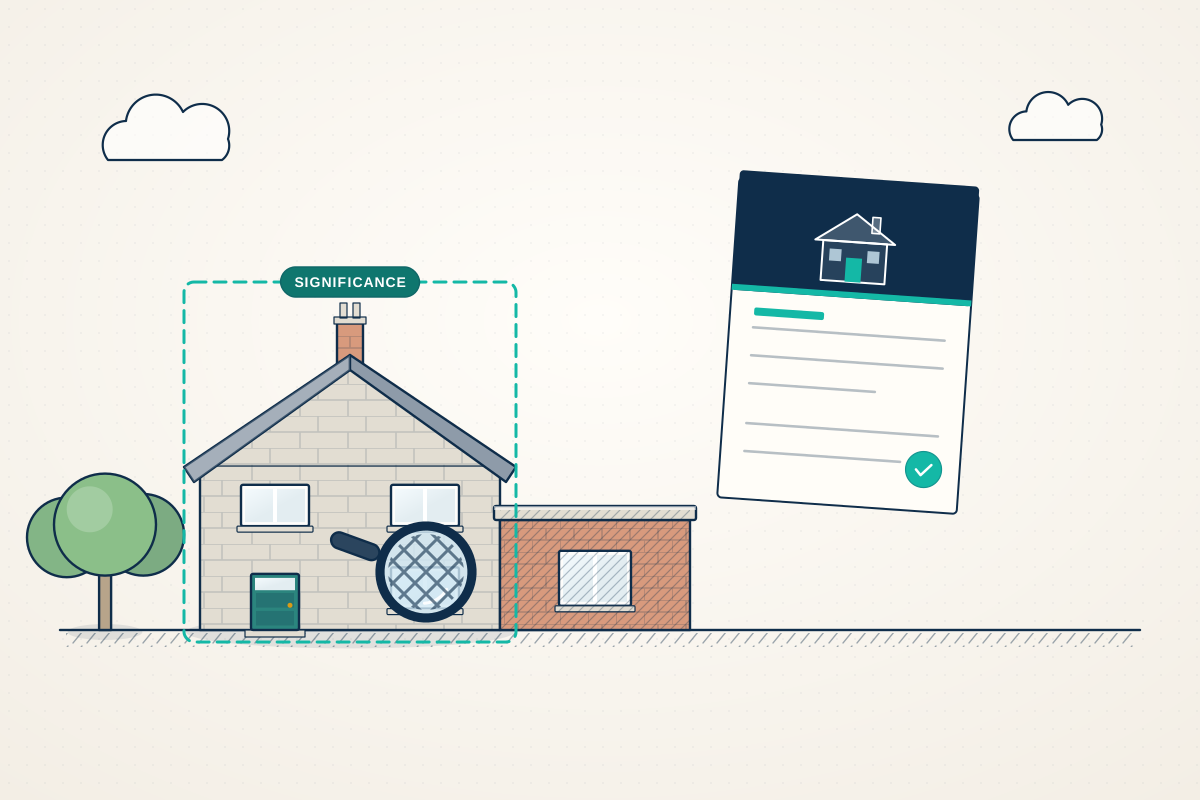
A heritage statement, sometimes called a heritage impact assessment, explains what is special about a historic building or place and how your proposals would affect it. Councils usually expect one with applications for listed building consent, and for work in conservation areas or close to listed buildings, scheduled monuments and registered parks and gardens. Without one, an application can be declared invalid or refused for lack of information. A good statement starts with research: the building’s history, its list entry, the local Historic Environment Record and a careful look on site. It then sets out the significance of the parts affected, judges the level of any harm, and explains how the design avoids or reduces it.
How a professional can help
- Researching the building’s history: They review the list entry, historic maps, archive material and the local Historic Environment Record to understand how the building or area developed over time.
- Assessing significance: They identify which parts of the building or its setting matter most, such as the original plan form, joinery, roof structure or key views, and explain why.
- Judging the impact of your proposals: They test the drawings against that significance, describing what would be lost, altered or revealed, and how any harm compares with the benefits of the scheme.
- Suggesting design refinements: Where a proposal would cause avoidable harm, they suggest changes, such as keeping a historic wall, reusing materials or moving an opening, before the application goes in.
- Supporting your consent application: They present the findings in a clear report with photographs and annotated plans, and can answer questions from the council’s conservation officer.
Is this right for you?
- You’re applying for listed building consent to alter, extend or repair a listed building.
- Your home is in a conservation area and your council’s validation list asks for a heritage statement.
- Your project is close to a listed building, scheduled monument or registered park and could affect its setting.
- A conservation officer has raised concerns and asked for a proper assessment of significance.
How the project usually runs
- Initial review: Your professional looks at your proposals, the list entry and any other designations, and agrees with you how detailed the statement needs to be.
- Research and site inspection: They visit the property, photograph and record the parts of the building affected, and research its history through maps, records and archives.
- Significance and impact assessment: They set out what makes the asset significant, assess how the proposed works would affect it, and discuss any refinements with you and your designer.
- Finalise and submit: The statement is completed alongside the final drawings and submitted with your planning or listed building consent application.
- Respond to conservation comments: If the conservation officer or a national heritage body comments, they help you respond, sometimes with an addendum or revised details.
What affects the cost
- Whether the building is listed, and how much historic fabric your proposals would touch.
- How much is already known about the building, and how much archive research is needed.
- The scale of the works, from replacing a few windows to a major extension or conversion.
- Whether an archaeological desk-based assessment or historic building recording is also needed.
- Whether the conservation officer asks for extra information or meetings while the application is decided.
Listed building consent and heritage policy
- Altering a listed building in a way that affects its character without listed building consent can be a criminal offence, and that includes internal work.
- In England, national policy asks applicants to describe the significance of affected heritage assets, in proportion to their importance and the works proposed.
- Wales, Scotland and Northern Ireland have their own heritage legislation and guidance; in Wales, listed building and conservation area consent applications need a heritage impact statement.
- Listing usually covers the whole building, inside and out, and can extend to attached and some curtilage structures, so check with your council what’s protected.
Questions people ask
What does “significance” mean in a heritage statement?
It’s the value a heritage asset has because of its heritage interest, which national policy in England describes as archaeological, architectural, artistic or historic. Significance can come from physical fabric, such as original timbers or plasterwork, and from setting, such as views to and from the building. The statement explains which parts matter and why.
Is a heritage statement the same as a design and access statement?
No, although they’re often submitted together and can sometimes be combined. A design and access statement explains how the design was developed and how people will use the building. A heritage statement focuses on the historic asset: what’s important about it and how the works would affect it. In England, listed building consent applications commonly need both, while in Wales a heritage impact statement is required instead.
Do I need a heritage statement to replace windows in a listed building?
Usually, yes. Replacing windows in a listed building normally needs listed building consent, and that application will need to explain the significance of the existing windows. A professional will look at whether they’re original or historic, their condition and whether repair is possible, before making any case for replacement.
Who writes heritage statements?
They’re prepared by heritage consultants, conservation architects, building surveyors and planning consultants with heritage experience. For listed buildings, look for conservation accreditation or a track record with similar buildings. For simpler conservation area projects, your designer may be able to prepare a proportionate statement themselves.
What if my proposals would cause some harm?
Some harm doesn’t automatically mean refusal. In England, councils weigh harm to a designated heritage asset against the public benefits of the proposal, while giving great weight to the asset’s conservation. A good statement is honest about harm, explains how it has been reduced, and sets out any benefits, such as repairing the building or securing its long-term use.
Available across the UK
Professionals cover the whole of the UK: England, Scotland, Wales and Northern Ireland. Planning and Building Regulations differ between the four nations, and your professional will work to the rules that apply where your property is.