Convert your barn into a home, with the right approvals
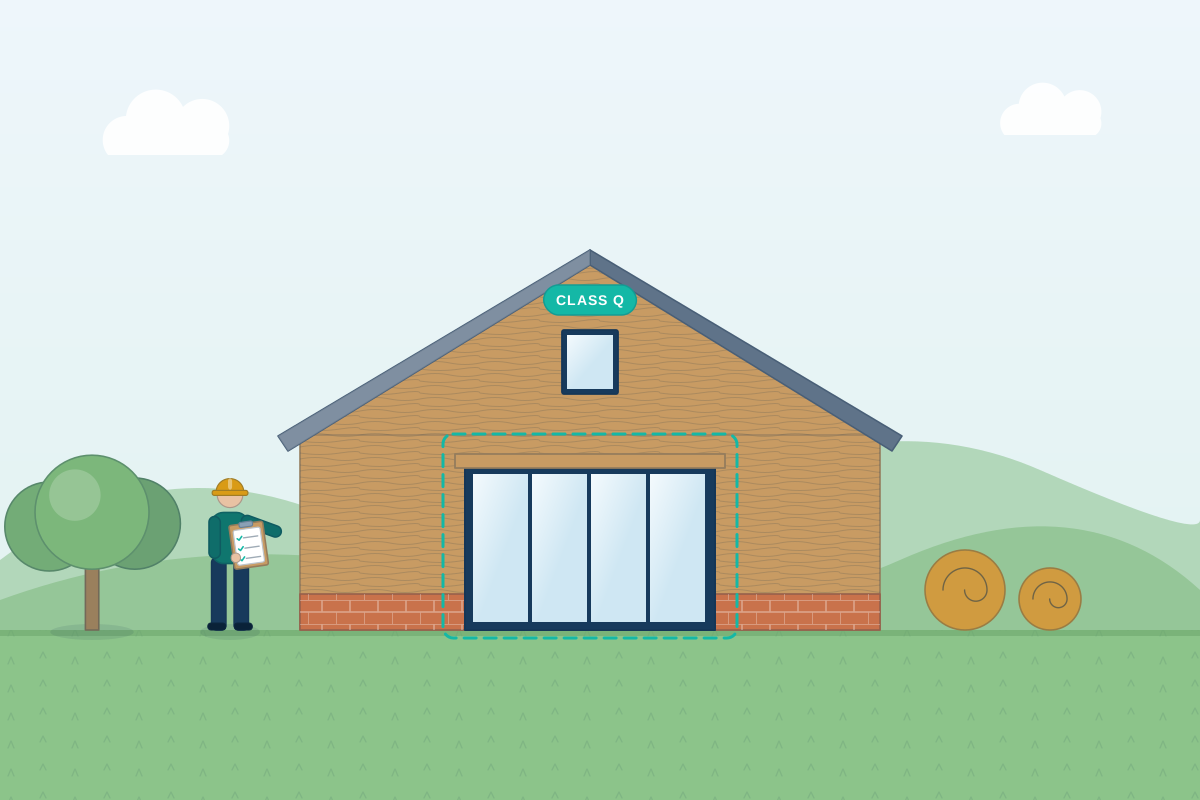
For owners and buyers of barns, stables and farm buildings who want to create a home. Compare quotes from professionals who know Class Q prior approval, full planning and rural conversions.
A barn conversion turns a redundant agricultural building, such as a timber-framed threshing barn, a brick cowshed, a stable block or a steel-framed store, into a home. In England, some farm buildings can become homes under Class Q permitted development with prior approval, while others need full planning permission, which can allow more design freedom. A good professional starts by checking whether the structure can be converted without being rebuilt, what protected species might be using it, how it will be reached and serviced, and which approval route suits it. They then design a home that keeps the building’s agricultural character, with openings, roofline and materials that respect its original form.
How a professional can help
- Choosing the approval route: They check whether Class Q prior approval could apply in England, or whether full planning permission is the better or only route, considering the location, the building’s history and what you want to build.
- Structural assessment: Working with a structural engineer, they confirm the frame, walls, roof and foundations can take the conversion, because routes such as Class Q don’t allow what amounts to a rebuild.
- Design that respects the barn: They plan rooms around the existing frame, reuse cart entrances and doorways for glazing, and keep the roofline and materials simple so the building still reads as a barn.
- Surveys and reports: They coordinate bat and barn owl surveys, plus any heritage, flood risk, contamination or highways reports the council is likely to need, so the submission is complete.
- Rural services and drainage: They plan water, power and heating for a rural site, and drainage such as a package treatment plant where there’s no public sewer nearby.
- Meeting Building Regulations: They show how the converted building meets the regulations for insulation, fire safety, ventilation and damp, which is often the hardest part with old solid walls or thin cladding.
Is this right for you?
- You own a barn, stable or farm building that’s no longer needed for agriculture and want to turn it into a home.
- You’re thinking of buying a barn with conversion potential and want to understand the approval route and risks before you commit.
- You already have Class Q prior approval or planning permission and need technical drawings for Building Regulations and builders.
- Your barn is listed, or sits beside a listed farmhouse, and needs a careful heritage-led approach.
How the project usually runs
- Site appraisal and route: Your professional visits the barn, reviews its history and use, and advises whether Class Q, full planning permission or another route is realistic, and the risks of each.
- Surveys: A measured survey, structural survey and ecology surveys are carried out. Some bat surveys can only be done in the warmer months, so they can affect when you’re able to apply.
- Design and application: The design is developed and the prior approval or planning application submitted with its supporting reports, plus listed building consent if the barn or farmhouse is listed.
- Technical design: Detailed drawings cover structural repairs, insulation, fire safety, drainage and services for Building Regulations, and any planning conditions are discharged before work starts.
- Conversion and completion: Builders carry out the work under building control inspections, with any protected species licence and mitigation in place, and a completion certificate is issued when the home is finished.
What affects the cost
- The approval route, as Class Q prior approval, full planning permission and listed building consent each need different drawings and reports.
- The condition of the frame, walls, roof and foundations, and how much repair or strengthening they need.
- Ecology findings such as bats or barn owls, which can mean seasonal surveys, a licence and mitigation measures.
- How remote the site is, including the access track, utility connections and the need for off-mains drainage.
- Whether the barn is listed, counts as part of a listed farmhouse’s curtilage, or sits in a protected landscape such as a National Park.
- The size of the building and the specification you want, from a simple conversion to a high-performance home.
Class Q, planning permission and Building Regulations
- Class Q is a permitted development right in England only. It has strict eligibility rules and isn’t available for listed buildings or in places such as National Parks and conservation areas.
- Wales, Scotland and Northern Ireland have their own rules for converting farm buildings, so check which route applies to yours.
- In England and Wales, turning a barn into a home is a material change of use under the Building Regulations, so the conversion must meet residential standards.
- Bats and barn owls are protected by law, and works affecting a bat roost usually need a licence before they start.
Questions people ask
What is Class Q prior approval?
Class Q is a permitted development right in England that allows certain agricultural buildings to become homes without a full planning application. You apply to the council for prior approval, and it can only consider a set list of matters, including transport, noise, contamination, flood risk, the building’s location and design, and natural light in habitable rooms. Eligibility depends on the building’s use, size and location, and the rules were updated in 2024, so make sure any advice reflects the current version.
Will my barn qualify for Class Q, or is it too far gone?
Not necessarily. The building must meet the eligibility rules, including its agricultural use history, and it must be structurally capable of conversion. Class Q doesn’t cover what is effectively a new building, so a barn that would need new walls, a new frame or major rebuilding is unlikely to qualify. Open-sided structures and buildings in very poor condition are often refused. A structural survey early on helps you avoid a wasted application.
Is full planning permission better than Class Q?
It depends on your barn and your plans. Under Class Q the council can only consider specific matters, but what you can build is limited. Full planning permission can allow extensions, a larger garden, outbuildings and more design freedom, and it’s the main route for listed barns or barns in protected areas, but councils judge it against local policies on building in the countryside. Some owners secure Class Q first and use it as a fallback while applying for a better scheme.
Do I need a bat survey for a barn conversion?
Very often, yes. Barns are common roosting sites for bats and nesting sites for barn owls, and councils usually ask for an ecology survey with the application. If bats are present, further surveys may be needed in the warmer months when they’re active, and the work may need a protected species licence and mitigation, such as a dedicated roost space. Planning this early helps avoid delays.
Do I pay VAT on a barn conversion?
Converting a non-residential building such as a barn into a home can qualify for a reduced rate of VAT on builders’ work, and some owners who manage the conversion themselves can reclaim VAT on materials through HMRC’s scheme for DIY housebuilders. The rules are detailed and depend on the building’s past use, so speak to your accountant or check HMRC guidance before work starts.
Available across the UK
Professionals cover the whole of the UK: England, Scotland, Wales and Northern Ireland. Planning and Building Regulations differ between the four nations, and your professional will work to the rules that apply where your property is.