Get the bat and ecology surveys your planning application needs
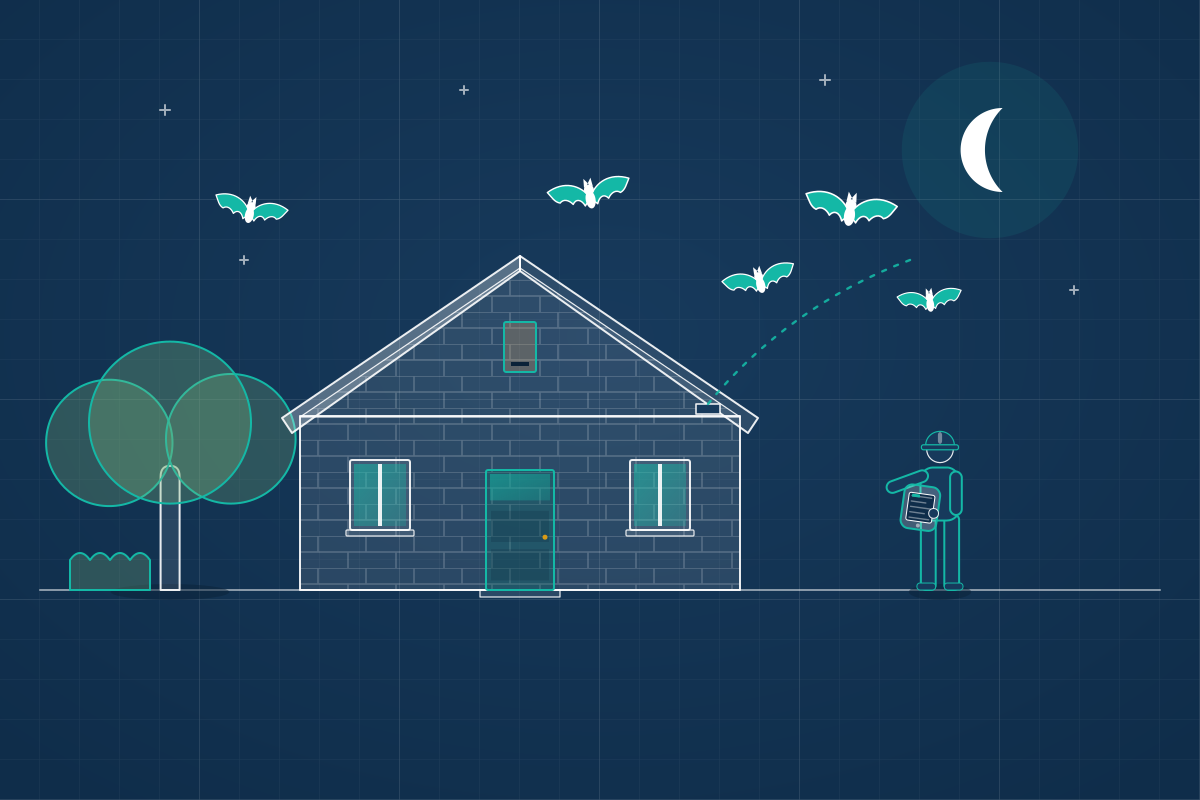
For homeowners, barn converters and developers asked for ecology information by the council. Compare quotes from ecologists who can survey your site, plan around protected species and prepare the reports planners expect.
Ecology surveys check whether wildlife protected by law, such as bats, great crested newts, badgers, reptiles or nesting birds, uses your site, and what your project needs to do about it. Councils often ask for a bat survey before roof work, a loft conversion, a barn conversion or demolition, and for wider ecology surveys on greenfield plots, overgrown gardens and sites near water or woodland. An ecologist starts with a preliminary assessment, carries out any further surveys in the right season, and recommends how to avoid harm, when a licence is needed and which features would benefit wildlife. Survey seasons are the big constraint, so starting early helps keep your project on track.
How a professional can help
- Preliminary roost assessments: They inspect the building or trees in daylight, inside and out, looking for bats, droppings, staining and gaps bats could use, and judge whether further surveys are needed.
- Emergence and re-entry surveys: If bats may be present, surveyors watch the building at dusk or dawn during the active season to confirm whether bats roost there, which species and where they get in.
- Preliminary ecological appraisals: For plots and larger sites, they map the habitats present, check records of protected species nearby and set out any targeted surveys the site needs.
- Biodiversity net gain in England: They score the site’s existing habitats using the statutory metric, work out the gain your scheme must deliver and design planting or habitat creation to achieve it.
- Protected species licences: Where work would disturb a roost or other protected species, they prepare the licence application to the relevant nature body and design mitigation such as replacement roost spaces.
- Ecological supervision on site: They can attend sensitive tasks, such as stripping roof tiles or clearing vegetation, and check that bat boxes, roost features and other mitigation are installed as required.
Is this right for you?
- Your council has asked for a bat survey before it will validate or decide your application.
- You’re converting a barn, altering a roof or demolishing an older building, especially one near trees, hedgerows or water.
- You’re developing a larger plot or greenfield site in England and need to know whether biodiversity net gain applies.
- Ponds, rough grassland or woodland edges near your site mean newts, reptiles or badgers could be present.
- You want to know how wildlife constraints and survey seasons affect your timetable before you commit.
How the project usually runs
- Desk study and first visit: The ecologist checks records of protected species and designated sites nearby, then visits to assess the habitats and inspect buildings or trees for signs of wildlife.
- Seasonal surveys if needed: Further surveys for bats, newts, reptiles or other species are carried out at set times of year, and some need several visits spread over weeks.
- Report and mitigation: They write up the findings with recommendations for avoiding harm, compensating for any loss and enhancing the site, such as bat boxes or new planting, to submit with your application.
- Licence where required: If the work would affect a protected species, a licence is usually needed from the nature body for your nation, normally after planning permission and before work starts.
- Work on site: Sensitive work is timed and supervised as the report and licence require, and the ecologist confirms that mitigation and enhancement features are in place.
What affects the cost
- Whether a single daytime inspection is enough, or emergence and re-entry surveys are needed over several visits.
- The size of the site and the range of habitats present, from one roof to fields, ponds and woodland.
- Which species may be present, as each has its own survey methods, seasons and number of visits.
- Whether a biodiversity net gain calculation and habitat plan are required in England, and whether the gain can be delivered on site.
- Whether a protected species licence application and supervision during the work are needed.
- How tight your timetable is, since surveys outside the right season may simply not be possible.
Wildlife law, licences and biodiversity rules
- Bats and some other species, such as great crested newts, are strictly protected by law, and the council must consider them before granting permission.
- Licences for work affecting protected species come from the nature body for each UK nation, and are usually applied for once planning permission is granted.
- In England, biodiversity net gain is a legal requirement for many developments, but householder applications, small sites and some other projects are exempt. The rules changed in 2026, so check what applies.
- Wales, Scotland and Northern Ireland have their own policies on enhancing biodiversity, which work differently from the system in England.
Questions people ask
Why does my loft conversion need a bat survey?
Bats often roost in roof spaces, under tiles, behind fascias and in wall cavities, and damaging or destroying a roost can be an offence even if you didn’t know bats were there. Councils therefore ask for a bat survey when roof work is proposed on buildings with suitable features, particularly older properties near trees, hedgerows, parks or water. Many surveys find no evidence of bats, and the work then goes ahead with sensible precautions.
When can bat surveys be done?
A preliminary roost assessment can be done at any time of year. Emergence and re-entry surveys, which confirm whether bats are using a building, can only be carried out while bats are active, broadly from late spring to early autumn, with the main window over the summer. If you miss it you may have to wait until the following year, so it pays to book early.
What is biodiversity net gain?
In England, many developments must leave natural habitat in a measurably better state than before. An ecologist surveys the existing habitats, scores them using the government’s statutory metric and works out how your scheme can deliver the required gain, through planting and habitat creation on site, off-site units or, as a last resort, statutory credits. Householder applications, many small sites and some other projects are exempt, and the rules changed in 2026, so check what applies to your project.
What happens if bats are found?
Finding bats rarely means a project can’t go ahead, but it does affect how and when the work is done. The ecologist designs mitigation, such as keeping access points open, building in replacement roost space or timing work to avoid sensitive periods, and the council considers this with your application. Work affecting a roost generally needs a licence before it starts, and the ecologist can apply for it and supervise the relevant stages.
Can I reuse an ecology survey from a previous application?
Possibly, but wildlife moves and habitats change, so survey results have a limited shelf life. If time has passed since the survey, or the site has changed, the council may ask for an update before deciding your application, and a licence application may need current data too. Ask an ecologist to review the old report and say whether an update is needed.
Available across the UK
Professionals cover the whole of the UK: England, Scotland, Wales and Northern Ireland. Planning and Building Regulations differ between the four nations, and your professional will work to the rules that apply where your property is.