Period property renovation that respects your home’s character
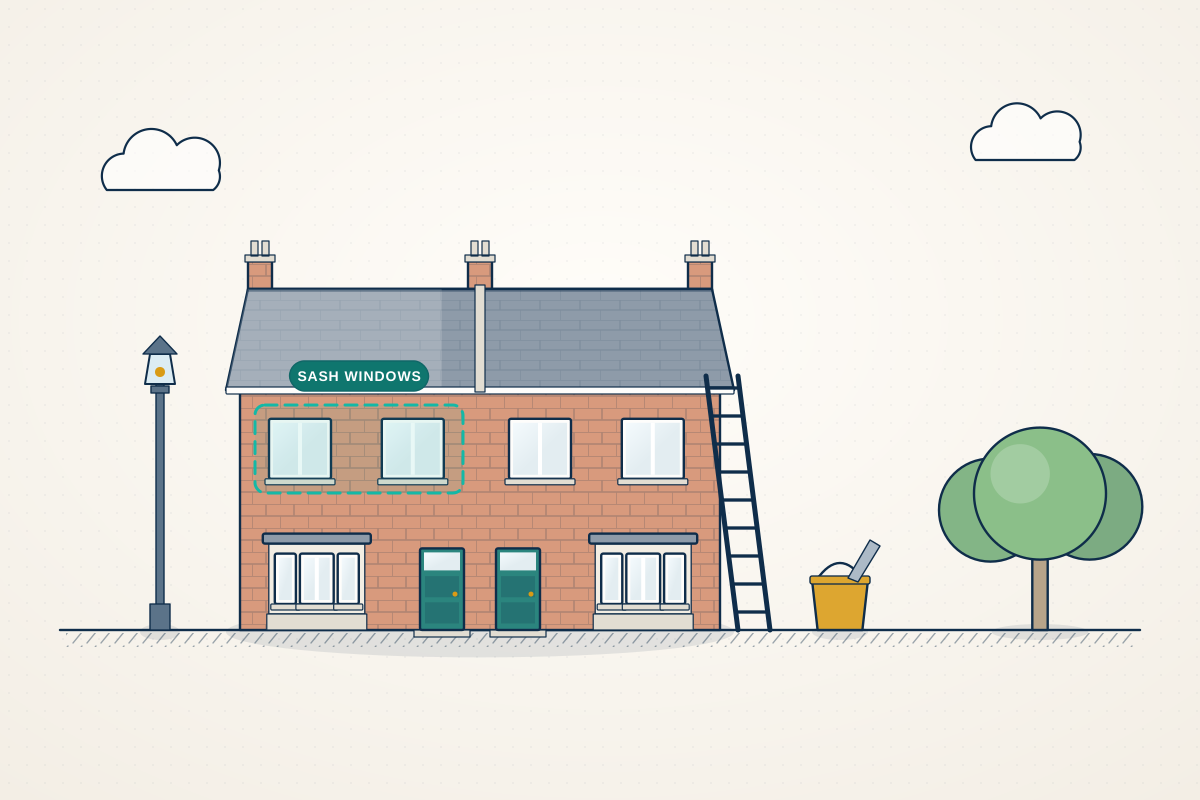
For owners of Victorian, Edwardian, Georgian and older homes who want to repair, update and live comfortably without losing original features. Tell us about your house and compare quotes from professionals.
Period homes were built to work differently from modern ones. Solid walls, lime mortar and suspended timber floors are meant to let moisture move in and out, so the wrong fix, such as cement render, plastic paints or unsuitable insulation, can trap damp and cause decay. People usually look for help when they’ve bought an older house that needs work, when damp, cracks or tired services keep coming back, or when they want a new kitchen, bathroom or layout without stripping out original features. A good professional surveys the building first, works out what to repair and what to change, specifies materials that suit the way it was built, and handles any consents a listed building or conservation area needs.
How a professional can help
- Understanding the building: They survey the house, trace the causes of damp, cracks or movement, and record original features, so the plan is based on what the building actually needs rather than guesswork.
- Repair-led specifications: They specify like-for-like repairs where possible, such as lime mortar and plaster, overhauled timber sashes and reclaimed slate, and explain where modern materials can be used safely.
- Better comfort and energy use: They plan insulation, draught-proofing, heating and ventilation that suit solid walls and timber floors, reducing the risk of trapping moisture inside the structure.
- Modern living in an old layout: They find room for kitchens, bathrooms and storage around chimney breasts, bay windows and original joinery, keeping the details that give the house its character.
- Consents and heritage paperwork: If the house is listed or in a conservation area, they prepare the drawings, heritage statement and applications needed, and talk to the council’s conservation officer.
- Briefing specialist trades: They can put together a schedule of works so specialist trades, such as lime plasterers and sash window joiners, can price exactly the same work.
Is this right for you?
- You’ve bought a Victorian, Edwardian, Georgian or older house and want a clear plan before any work starts.
- Damp, cracking or failing plaster keeps coming back and you want to understand why before spending more.
- You want a modern kitchen, bathrooms or better heating but don’t want to lose fireplaces, cornicing or original windows.
- Your home is listed or in a conservation area and you need help with the extra consents.
How the project usually runs
- Survey and investigation: Your professional inspects the roof, walls, gutters, floors and services, and may suggest opening up small areas or getting a specialist report where problems are hidden.
- Repair strategy and design: They set out what to repair, what to replace and what to change, and design any new layout or upgrades to work with the existing structure and materials.
- Consents and approvals: Listed building consent, planning permission or Building Regulations approval is applied for where needed, with heritage information for the council if the house is protected.
- Schedule of works and tender: A detailed schedule and specification lets builders and specialist trades price the same work, so you can compare contractors who are used to traditional buildings.
- Works on site: Hidden issues often appear once floors and plaster are opened up, so your professional can visit, advise on repairs as they’re found and keep the work true to the plan.
What affects the cost
- The condition of the building, and how much hidden decay, damp or structural movement is found once work starts.
- Whether the house is listed or in a conservation area, which can add consents, heritage reports and conservation officer meetings.
- How much original fabric is repaired by specialist craftspeople, such as lime plasterers, joiners and roofers, rather than replaced.
- How far your professional’s role extends, from a survey and advice to full design, applications and regular site visits.
- Whether wiring, plumbing and heating need replacing throughout, and how carefully they must be routed around original features.
- Access to roofs, chimneys and high walls, which may need scaffolding for repairs.
Listed buildings, conservation areas and Building Regulations
- If your home is listed, works that affect its character, inside or out, need listed building consent, and carrying them out without consent is a criminal offence.
- In England and Wales, a conservation area can have an Article 4 direction, meaning windows, doors or roof coverings may need planning permission; rules differ elsewhere.
- Re-roofing, structural repairs, rewiring and replacement windows can need Building Regulations approval (a building warrant in Scotland); in England, energy guidance allows a sensitive approach for traditional buildings.
- Bats often roost in older roofs and are legally protected, so roof or loft work may need a bat survey before it starts.
Questions people ask
Should I use lime or cement to repair an old house?
Most solid-walled period homes were built with lime mortar and plaster, which are softer and more breathable than cement. Repointing or rendering in cement can trap moisture and push damage into the brick or stone, so lime is usually the right choice for repairs. Your professional can check what your walls were built with and specify a suitable mix.
Can I fit double glazing in a period property?
Often, but it depends on the building. If it’s listed, you’ll need listed building consent, and councils often prefer repairing the original windows and adding secondary glazing or draught-proofing. In a conservation area, an Article 4 direction may mean you need planning permission. Elsewhere, slim double-glazed units in new timber sashes can keep the original look. Your professional can advise on what your council is likely to accept.
Is the damp in my old house rising damp?
Not always. In period homes, damp is very often caused by blocked gutters, leaking downpipes, raised ground levels outside, or cement render and modern paints that trap moisture. Treating it as rising damp with injected chemicals can miss the real cause. A professional who understands traditional buildings looks for the source first and recommends repairs that let the walls dry out.
How can I insulate a solid-walled home without causing damp?
Use breathable, moisture-open insulation such as wood fibre or lime-based systems rather than sealed foam boards, and pay close attention to ventilation and to details around windows, floors and joist ends. Loft insulation and draught-proofing are often simple first steps. Your professional can assess where condensation could build up and plan upgrades in a sensible order.
Do I need a survey before renovating a period house?
It’s strongly recommended. A building survey records the condition of the roof, walls, floors and services, helping you plan and budget for repairs before design work starts. If the house is listed, a measured survey and a record of historic features are also useful for any consent application.
Available across the UK
Professionals cover the whole of the UK: England, Scotland, Wales and Northern Ireland. Planning and Building Regulations differ between the four nations, and your professional will work to the rules that apply where your property is.
- Get free quotes
- Listed Building Projects
- Conservation Area Projects
- Building Surveying
- Retrofit and Energy Upgrades
- 3D Architectural Visualisation
- Accessible Home Design and Adaptations
- Architectural Drawings
- Architectural Project Management
- Balconies and Roof Terraces
- Building Regulations Drawings
- Feasibility Studies
- Garage Conversions
- All services
- Find your area