Find out if your building is safe after a fire, flood or impact
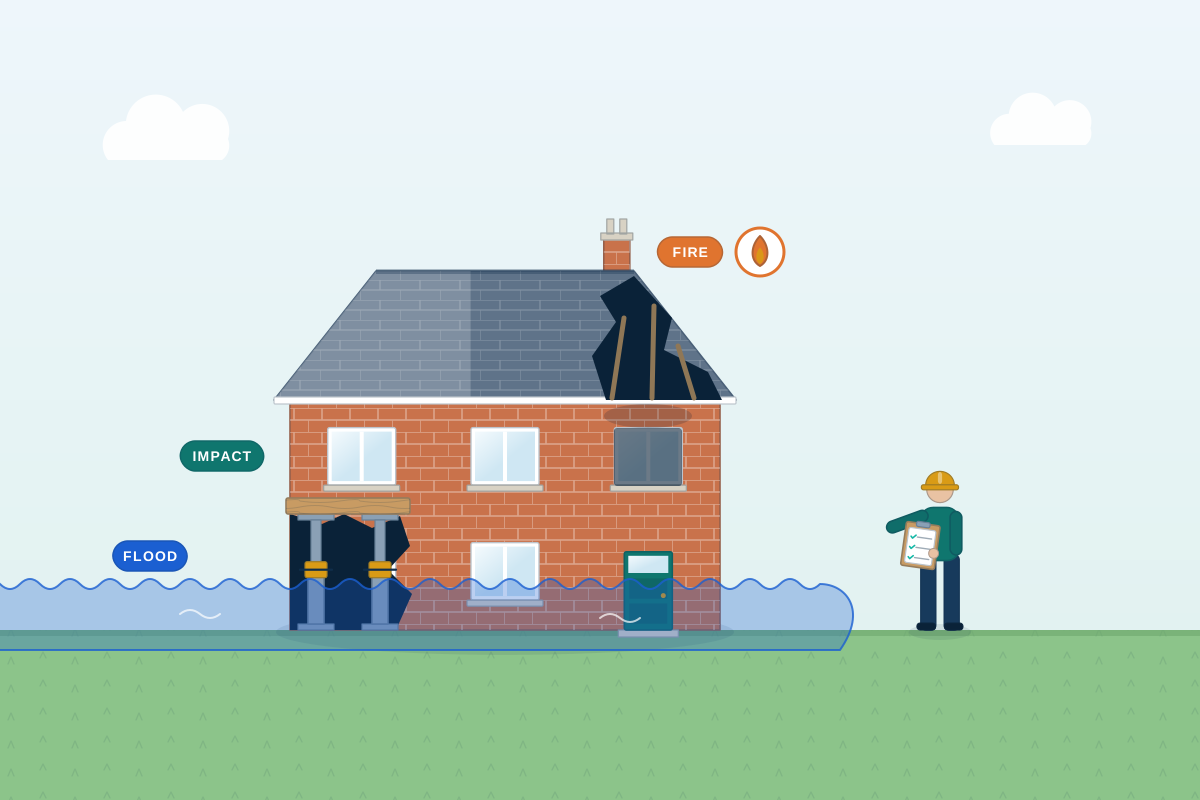
For owners of homes and buildings damaged by fire, flooding, a vehicle strike or a storm. Describe what happened and compare quotes from structural engineers who can say what is safe, what needs propping and what needs repair.
Fire, floodwater, a vehicle strike or a fallen tree can leave a building looking better or worse than it really is. Heat can weaken steel and crack masonry and concrete. Floodwater can soften timber floors and saturate walls. An impact can push a wall, lintel or roof out of line, with damage reaching well beyond the obvious spot. A structural engineer inspects the damage, says which parts are safe and which need temporary support, and writes a report on what can be repaired and what should be rebuilt. If you are claiming on insurance, tell your insurer first.
How a professional can help
- Making the building safe first: Where something might collapse, the engineer says which areas to keep out of. They advise what temporary support is needed, such as props or shoring (timber or steel posts), before anyone clears out or repairs.
- Assessing fire damage: They look at cracked and flaking brickwork and concrete, distorted steel, charred roof and floor timbers and sagging floors. They then judge which parts can stay, which need testing and which must be replaced.
- Assessing flood damage: They check for swollen or softened timber floors, saturated walls, damaged floor slabs and movement in the ground around foundations. They advise when a building should be left to dry before repairs begin.
- Vehicle strikes, storms and fallen trees: After a vehicle hits a wall or a tree falls on a roof, they check the walls, lintels (the beams over openings), floors and roof frame beyond the visible damage. The effects often spread further than they first appear.
- Repair design and what to rebuild: They set out the repairs, from local strengthening or a replacement beam to rebuilding a wall. Your builder gets sketches or drawings to price, and building control can check them where structure is affected.
- A report for your insurer or lender: They write up the cause, the extent of the damage and the recommended repairs, with photographs and measurements. The report is set out so that your insurer, loss adjuster or lender can use it.
Is this right for you?
- Your home or building has been damaged by fire, flooding, a vehicle or a storm and you are not sure it is safe to go back in.
- The fire and rescue service, your insurer or building control has asked for a structural engineer’s view before repairs begin.
- Your insurer’s assessment and your builder’s view of the repair differ, and you want an independent engineer’s opinion.
- You own a flat, shop or unit next to the damage and want to know whether the shared structure is affected.
How the project usually runs
- Urgent visit and safety advice: The engineer visits as soon as is practical and looks at the visible damage. They advise on cordons, props, shoring or covering the building, so it is safe to inspect further and does not get worse.
- Recording the damage: They record the damage with photographs, measurements and sketches. They may open up finishes, take levels or test materials to see how far it goes, especially in floors, roofs and walls.
- Findings and options: A written report explains the cause, what is safe and what needs temporary support. It sets out the repair options, from local repairs to partial rebuilding, so you and your insurer can agree the way forward.
- Designing the repair: Where the structure is affected, they design the repair. They issue drawings or details for the builder and for building control, including any new beams, strengthening, floors or roof framing.
- Checks during the repair: The engineer can visit while the repair is built, before structure is covered up. Afterwards they can confirm in writing that it follows the design, which insurers and lenders often ask to see.
What affects the cost
- How much of the building is affected, and how easy it is to inspect safely, including areas that need propping before anyone can go in.
- Whether opening up, testing materials or taking levels over time is needed to understand how far the damage extends.
- The type of construction, such as masonry, timber, steel or concrete, because each reacts differently to fire and water.
- How much repair design, drawings and site inspection you need after the first report.
- Whether the engineer has to deal with an insurer, a loss adjuster or a lender, or attend a joint inspection.
Safety, insurance and approvals after damage
- Tell your buildings insurer as early as you can and ask what they need from an engineer’s report before any clearance or repair begins, because policies set their own requirements.
- Repairs that change the structure usually need building control approval. That means Building Regulations in England, Wales and Northern Ireland, and a building warrant in Scotland, and the details differ in each nation.
- Listed buildings and properties in conservation areas may need consent even for repair work. Check with your council before anything is taken down or removed, and tell them at once if urgent safety work is needed.
- Structural engineers work across the whole of the UK, so you can ask for one used to the rules where your property is.
Questions people ask
Is my building safe to go back into after a fire?
Not necessarily. Fire can weaken steel, concrete, masonry and floors in ways that are not obvious, and wet debris and loose masonry add to the risk. Follow the fire and rescue service’s advice, keep out of any area they have closed, and ask a structural engineer to inspect before you go back in or start clearing. The engineer can tell you which areas are safe and which need support first.
Should I start repairs straight after a flood?
Usually not straight away. Walls, floors and timbers hold water and take time to dry, and covering them too soon can trap moisture. An engineer can first check for structural damage, for example to timber floors, floor slabs and the ground around foundations, and your insurer will normally want to agree the repair plan before work begins.
Will my insurer accept my own engineer’s report?
Often they will read it, but insurers and loss adjusters may also appoint their own engineer, and policies differ. Talk to your insurer before you instruct anyone, so you know what they need. An independent report can still be useful if you disagree with their assessment or want clear evidence of the damage.
A vehicle hit my house wall. What should I do?
Keep people away from the area if the wall, lintel or roof above looks displaced, call the emergency services if anyone is hurt or the building looks unstable, and tell your insurer. A structural engineer can then check whether the wall and the floors and roof it supports are safe, as damage can extend well beyond the point of impact, and design the repair.
Can a fire-damaged steel beam or timber joist be reused?
Sometimes, but it needs checking. Steel that has been very hot can distort, and some types lose strength. Charred timber is thinner than it was, even when the core looks sound. An engineer judges each member by inspection and may recommend tests, so anything reused can still carry its loads. Where there is doubt, replacement is the cautious choice.
Available across the UK
Professionals cover the whole of the UK: England, Scotland, Wales and Northern Ireland. Planning and Building Regulations differ between the four nations, and your professional will work to the rules that apply where your property is.
- Get free quotes
- Structural Surveys and Condition Reports
- Bowing, Leaning and Bulging Wall Assessments
- Temporary Works and Propping Design
- Strengthening Existing Floors, Roofs and Walls
- Chimney Stack and Parapet Stability Checks
- Crack and Movement Monitoring
- Cracks and Movement Investigations
- Expert Witness and Defect Investigations
- Historic and Listed Building Structural Surveys
- Independent Second Opinions and Design Checks
- Independent Structural Advice for Neighbours
- All services
- Find your area