Get independent structural advice about your neighbour’s building work
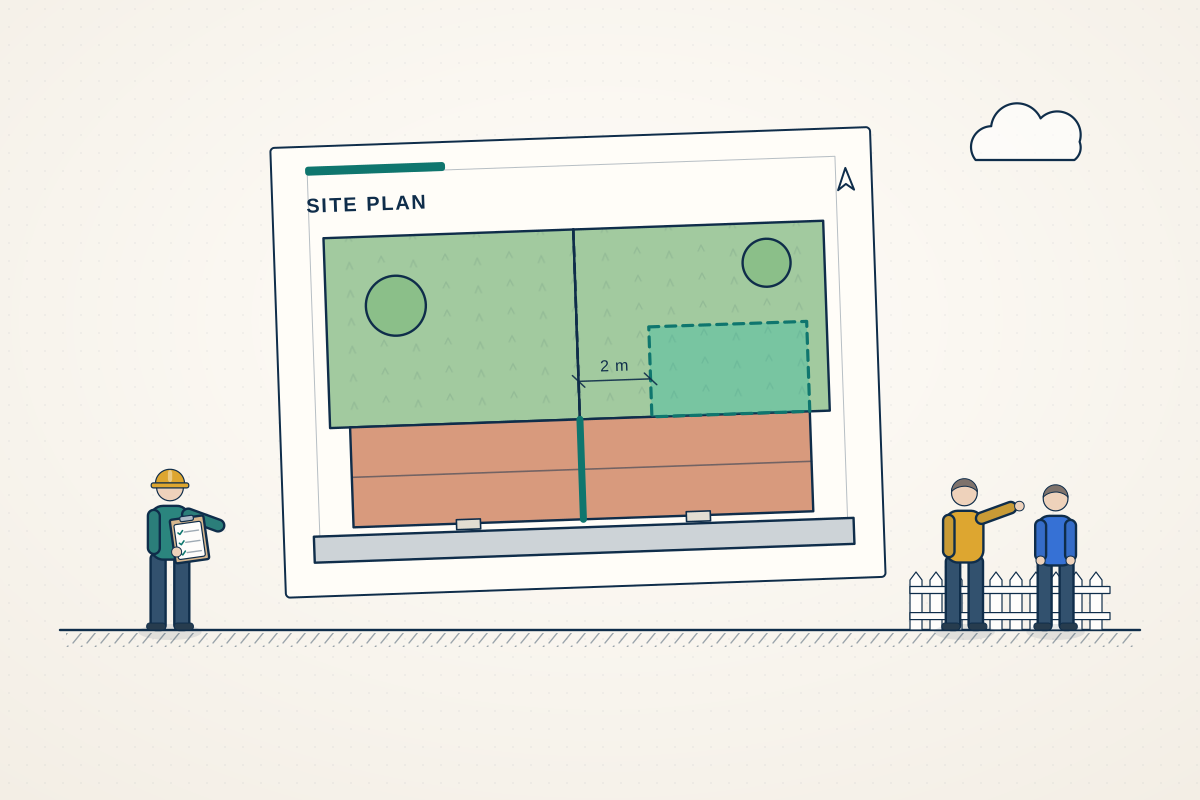
For owners next to an extension, loft conversion, basement or demolition. Describe what is planned and compare quotes from structural engineers who act for you, not for your neighbour’s builder.
When a neighbour announces a basement, a loft conversion or an extension on the boundary, it is natural to wonder what it will do to your house. You may have been sent drawings or a party wall notice, or just had a chat over the fence. An independent structural engineer works for you. They read the proposals and look at how your home is built. They tell you in plain English where it could be affected. They also suggest what to ask for, such as a record of your property’s condition, careful methods for digging or demolition, and monitoring while the work is done. They are separate from your neighbour’s designer and builder.
How a professional can help
- Reading the neighbour’s drawings: They go through plans, sections and any structural information shared with you, pick out work near your foundations, walls or shared structure, and explain what each item could mean for your property.
- Understanding the risk to your house: They look at how your home is built and how deep its foundations are likely to be. Then they consider what the neighbour’s excavation, new beams or demolition could do to it, so concerns are specific rather than vague.
- Basements and deep digging next door: Digging beside your foundations often needs temporary support and careful sequencing. They review the proposed method and ask for the engineer’s design, ground information and a monitoring plan where the work is serious.
- Work to a shared wall: Cutting beams into a party wall, removing chimney breasts or raising a wall can affect your side. They check the proposed details and advise what to ask your party wall surveyor to look for.
- Supporting your party wall surveyor: In England and Wales an engineer can advise your party wall surveyor on technical points, so the formal terms cover the right protection, monitoring and records of condition.
- Keeping watch while the work is done: If you want it, they can visit during the work, review monitoring readings and respond if cracks appear. Concerns are then dealt with early and with evidence rather than arguments.
Is this right for you?
- You have received a party wall notice or drawings from a neighbour and cannot judge the structural risk yourself.
- A neighbour is planning a basement, deep foundations or piling close to your house.
- Your neighbour’s project involves cutting into or raising the wall you share.
- You have noticed cracks or movement since next door’s work began and want independent evidence.
- You want your own engineer’s view before agreeing to anything or consenting to a notice.
How the project usually runs
- Gather what you have: You send the neighbour’s drawings or notice, photographs of your property and anything you know about its age and past work, and describe what has been said to you so far.
- Review and site visit: The engineer reads the proposals and visits your property to note how it is built, its condition and anything near the boundary that could be affected.
- Advice in writing: You receive a plain-English report on where your home could be affected and what to ask for, such as a record of condition, design information, monitoring or specific working methods.
- Working with your surveyor or the neighbour: The engineer can brief your party wall surveyor or, if there is no formal process, put questions to the neighbour’s engineer, so your concerns reach the right people.
- Monitoring and follow-up: During the work you can ask for visits or a review of monitoring readings, and if damage is reported an engineer can inspect it and compare it with the record made beforehand.
What affects the cost
- How large and how close the neighbour’s work is, from a small loft beam to a basement or piling.
- How much design information the neighbour supplies, and how much has to be requested or chased.
- Whether you need a one-off opinion, or visits during the work and a review of monitoring results.
- Whether you have a party wall surveyor, and how the engineer’s work is to be coordinated with theirs.
- How old and complicated your own house is, and whether extensions or underpinning have made it harder to assess.
Party wall, Building Regulations and your rights
- In England and Wales the Party Wall etc. Act 1996 covers work to shared walls and excavation near neighbouring foundations. The building owner serves notice and you can consent, dissent or appoint a surveyor. Scotland and Northern Ireland have different rules.
- The building owner normally pays the reasonable fees of the party wall surveyors. Ask your surveyor whether an engineer’s fees can be included in your case, and do not assume they can.
- Planning permission and Building Regulations are separate. Neighbours can comment on planning applications, but structural safety is checked mainly through building control, and planning permission does not remove the building owner’s party wall duties.
- Engineers cover the whole of the UK, including places where the Party Wall etc. Act 1996 does not apply, and will explain what does.
Questions people ask
Do I need my own structural engineer if I receive a party wall notice?
Not always. A simple notice for a small job may only need a party wall surveyor. For a basement, deep excavation, piling or major work to a shared wall, an engineer’s view on the design and the risk to your home can be valuable. A party wall surveyor can advise whether it is worth bringing one in.
Can I stop my neighbour building?
You usually cannot prevent work that has planning permission or does not need it. In England and Wales the Party Wall etc. Act 1996 can control how and when some work is done and require your property to be protected, but it does not give you a right to veto it. A solicitor can advise on any other rights you may have, and an engineer can help you ask for the right safeguards.
Who pays for my engineer?
It depends. Under the Party Wall etc. Act 1996 the building owner normally pays the reasonable fees of the surveyors, and the surveyors decide what is reasonable. If you appoint an engineer yourself without a party wall process, you would usually pay. Ask your party wall surveyor before you instruct.
What should I do if cracks appear while work is going on?
Photograph them with a date and a scale beside them, and tell your surveyor or, if there is no formal process, your neighbour in writing. An engineer can inspect and say whether the cracks are new, whether they relate to the work and whether they are still moving. A record made before the work started is the most useful comparison.
What if I do not reply to my neighbour’s notice?
In England and Wales, if you do not respond to most party wall notices within 14 days, a dispute is treated as having arisen. If you then do not appoint a surveyor when asked, the building owner can appoint one for you. It is better to reply, even if only to say you are taking advice. An engineer or party wall surveyor can help you decide how.
Available across the UK
Professionals cover the whole of the UK: England, Scotland, Wales and Northern Ireland. Planning and Building Regulations differ between the four nations, and your professional will work to the rules that apply where your property is.
- Get free quotes
- Advice for Neighbours Who Have Received a Notice
- Adjoining Owner’s (Neighbour’s) Surveyor
- Crack and Movement Monitoring
- Vibration Monitoring Near Construction
- Bowing, Leaning and Bulging Wall Assessments
- Chimney Stack and Parapet Stability Checks
- Cracks and Movement Investigations
- Expert Witness and Defect Investigations
- Fire, Flood and Impact Damage Assessments
- Historic and Listed Building Structural Surveys
- Independent Second Opinions and Design Checks
- All services
- Find your area