Design a new build house, from site appraisal to build-ready drawings
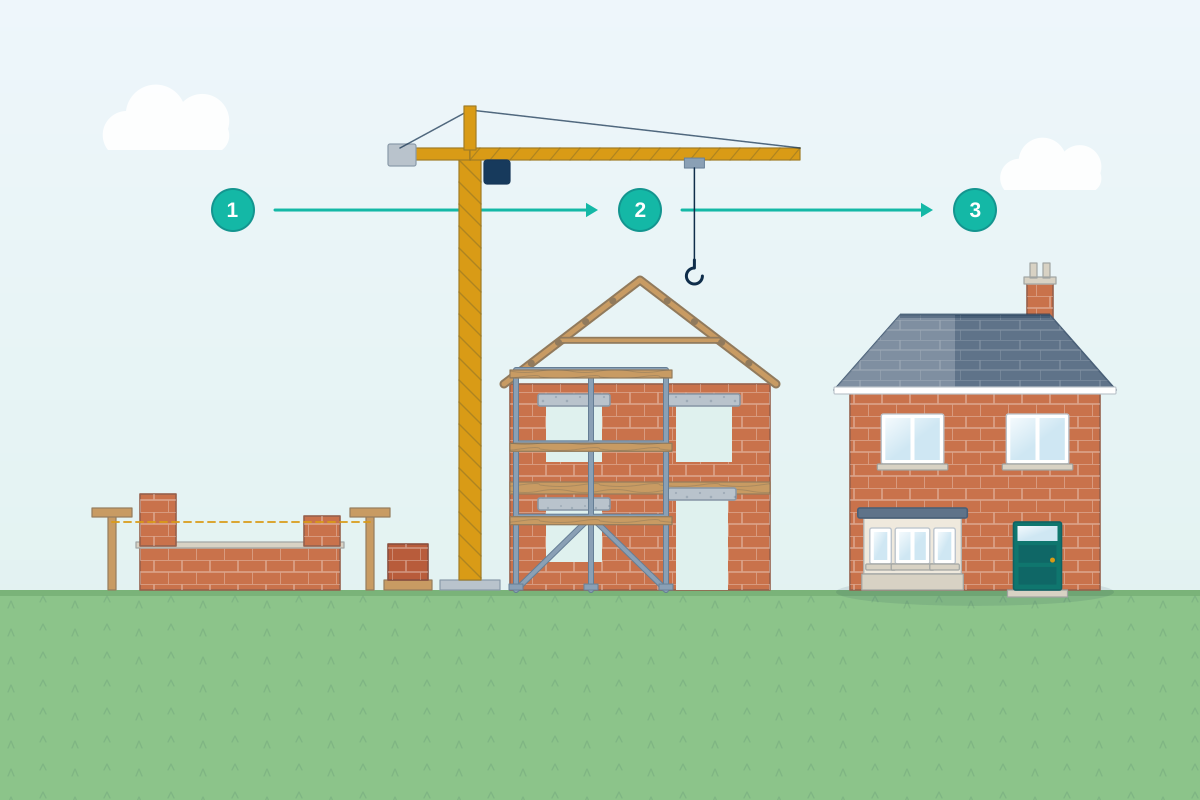
For landowners, small builders and investors planning one or a few new homes to sell, let or keep. Compare quotes from professionals who can design the house, handle the approvals and produce drawings builders can price.
A new build house starts with the land. Before anything is drawn, a professional checks the planning history, access, levels, trees, drainage and neighbours, and works out what size and shape of home the site can realistically take. From there they design the house, prepare a planning application with the reports your council asks for, then develop the technical drawings and specifications needed for building control, a structural warranty and builders’ quotes. A good designer thinks early about energy performance, service connections and buildability, so a scheme that suits the planners can also be built sensibly.
How a professional can help
- Reading the site: They check levels, access, trees, drainage routes, ground conditions and the relationship with neighbouring homes, and flag anything that could limit the size, position or design of the new house.
- Designing the house: Layouts, room sizes, orientation for daylight, parking, gardens and bin storage are worked into a design that suits how you or future buyers will live, and fits the character of the street.
- A complete planning application: Plans, elevations, a street scene and the supporting reports on your council’s validation list, which for a new home often include drainage, ecology, trees and highways information.
- Building Regulations and energy compliance: They produce construction drawings and coordinate the SAP calculations, structural design and drainage details a new dwelling needs, so building control can approve the scheme before work starts.
- Warranty and service connections: They can supply the information a structural warranty provider wants to see, and help you start applications for water, sewer, electricity and broadband connections early, as these can take a while to arrange.
- Builder pricing and site support: A clear drawing and specification pack lets several builders price the same house, and your professional can stay involved during construction to answer queries and inspect the work.
Is this right for you?
- You own land, or have an offer accepted on a plot, and want to know what kind of house it could take.
- You already have outline permission and need a detailed design and a reserved matters application.
- You’re a small builder or landowner planning one or a few homes to sell or let, and want one professional to coordinate the design.
- You have planning permission for a new house but no technical drawings yet.
How the project usually runs
- Site appraisal and brief: Your professional visits, reviews the planning history and constraints, and agrees with you how many bedrooms, how much floor space and what level of finish the house should have.
- Surveys and concept design: A topographical survey and any tree or ecology checks are arranged, then early layout and massing options are sketched and tested against local policy, perhaps through pre-application advice.
- Planning application: The chosen design is drawn up with the plans, elevations and reports the council needs, submitted as a full application or reserved matters, and supported through to a decision.
- Technical design and approvals: Construction drawings, structural calculations, SAP and drainage design are completed for building control and the warranty provider, and any planning conditions that must be met before work starts are discharged.
- Tender and build: Builders price the same drawings and specification, a contract is agreed, and the house is built with inspections along the way, ending with a completion certificate and an energy performance certificate.
What affects the cost
- The number of houses and their size, and whether each is a bespoke design or a repeated house type.
- How difficult the site is, for example sloping ground, poor access, protected trees, flood risk or a sensitive street scene.
- Which surveys and reports the council asks for, such as ecology, arboricultural, drainage, highways or ground investigation.
- Whether you need design and planning only, or technical drawings, tender support and inspections during the build as well.
- How detailed the specification is, from a standard build to high-performance construction or unusual materials.
- Whether the site already has outline permission, or the principle of a new home still has to be established.
Planning and Building Regulations for new homes
- A new house almost always needs planning permission, either a full application or outline permission followed by reserved matters. In Scotland the outline stage is called planning permission in principle.
- Every new home must meet the Building Regulations for structure, fire, energy, ventilation, drainage and access. In Scotland you need a building warrant before work starts.
- Some requirements differ by nation: in Wales new homes need a sprinkler system, and in Scotland new homes generally can’t use gas or oil boilers as their main heating.
- In England many new homes must deliver biodiversity net gain, and in England and Wales some councils charge the Community Infrastructure Levy. Your professional can confirm what applies to your site.
Questions people ask
Do I need planning permission to build a new house?
Almost always. Building a new home on empty land isn’t covered by permitted development, so you’ll need either full planning permission or outline permission followed by reserved matters approval. Most councils also offer pre-application advice, which can be a useful way to test a design before you commit to the cost of a full application. Your professional can recommend the route that suits your site and how much risk you’re comfortable with.
Is outline or full permission better for a single new house?
Outline permission establishes whether a new home is acceptable in principle, leaving details such as appearance, layout and landscaping for later. It can add value to land you plan to sell. Full permission covers everything at once and is usually the more direct route if you intend to build the house yourself. The right choice depends on your plans for the site and how much you want to spend before you know the answer.
What surveys will I need before designing a new house?
Most projects start with a topographical survey showing levels, boundaries and features. Depending on the site, you may also need a tree survey, a preliminary ecology appraisal, ground investigation, a flood risk assessment or percolation tests for drainage. Your professional can tell you which ones your council is likely to ask for, and which are worth doing early to avoid redesign later.
Do I need a structural warranty for a new build?
It isn’t a legal requirement, but most mortgage lenders want a new home to have a structural warranty or, in some cases, a professional consultant’s certificate, and buyers will expect one if you sell. Warranty providers usually need to be involved before work starts and inspect during the build, so arrange it early with your designer’s help.
Who arranges water, sewer and electricity connections?
You, or your professional on your behalf, apply to the utility companies that serve the area. Each provider has its own process and charges, and connections can take time to quote and complete, so it’s worth starting applications once the site layout is fixed. A new connection to a public sewer also has to be arranged with the sewerage company.
Will my new house need an energy assessment?
Yes. New homes need SAP calculations at design stage to show they meet the energy and carbon targets in the Building Regulations, and an energy performance certificate once they’re built. In England, new homes also need an overheating assessment, and rules differ elsewhere in the UK. Designing for good insulation, airtightness and low-carbon heating from the start is easier than fixing compliance later.
Available across the UK
Professionals cover the whole of the UK: England, Scotland, Wales and Northern Ireland. Planning and Building Regulations differ between the four nations, and your professional will work to the rules that apply where your property is.
- Get free quotes
- Site and Plot Appraisals
- Full Planning Applications
- Technical and Construction Drawings
- SAP Calculations
- Commercial Architectural Services
- Flat Conversions
- HMO Conversions
- Infill and Garden Plot Development
- Mixed-Use Developments
- Modular and Prefabricated Homes
- Replacement Dwellings
- Residential Developments
- All services
- Find your area